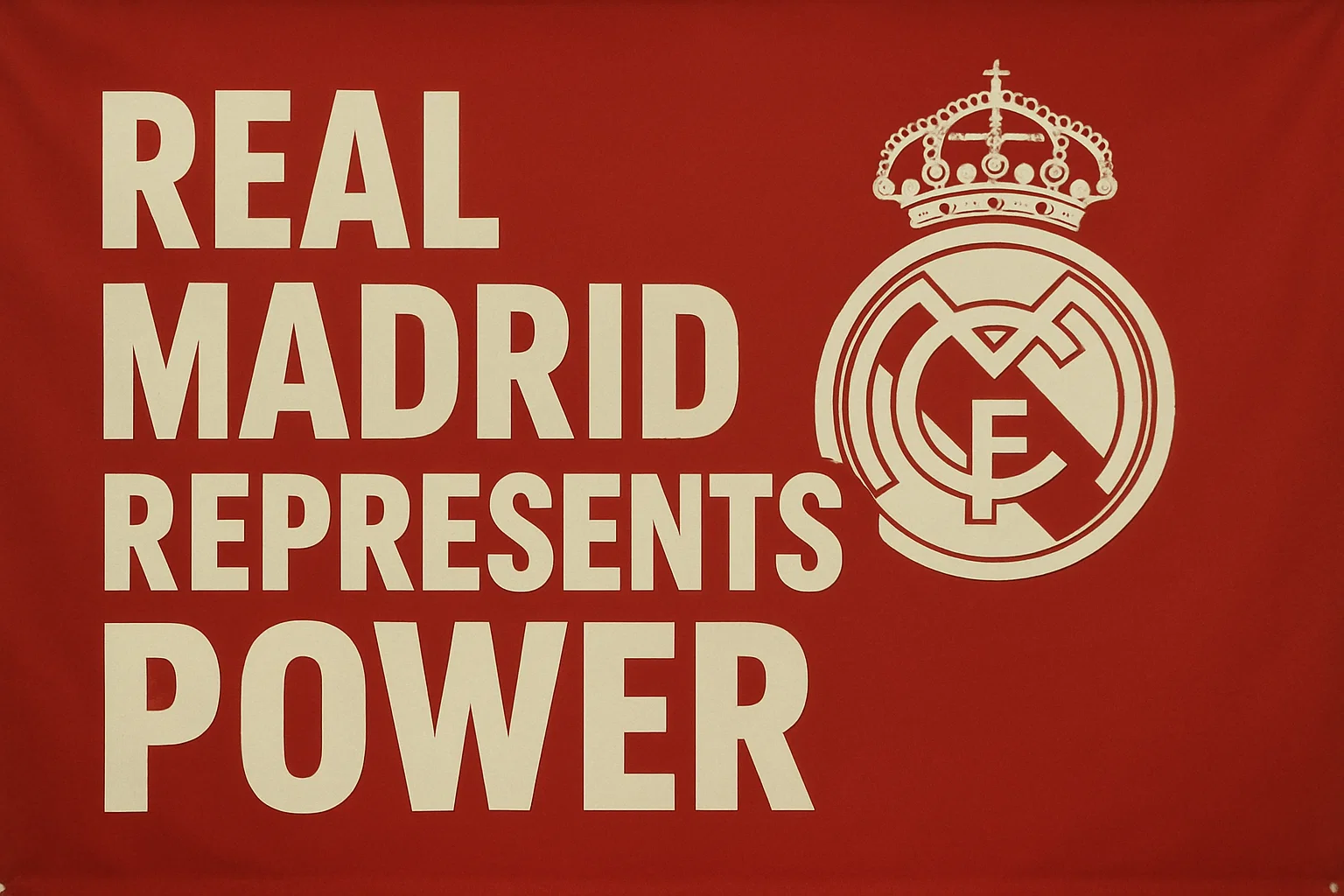
Joan Laporta, president of FC Barcelona, has once again found himself at the center of a major public debate. During his participation in the Foros La Vanguardia series in Barcelona, Laporta spoke in the session titled “Barça: Between Stories and Futures.” As always, his remarks were bold, emotional, and full of the personality that defines him. This time, he made headlines with one of his strongest claims yet: “Real Madrid represents power, and Barça represents freedom.”
Laporta’s statement quickly spread through media outlets and social platforms, sparking reactions from fans, journalists, and club members on both sides of the famous Spanish football rivalry. But what exactly did he mean? Why did he bring this up during a talk about Barça’s present and future? And why do comments like these continue to create such intense discussion?
This article explores the background, meaning, and impact of Laporta’s comments, offering a clear, simple, and complete explanation for all readers.
Laporta’s Continued Criticism of Real Madrid
This is not the first time Laporta has openly criticized Real Madrid or suggested that the club uses its influence in Spanish football for its own advantage. Earlier, he had accused Real Madrid of having “barcelonitis” — an obsession with Barcelona. According to him, Madrid suffers from a kind of persecution mentality regarding the most successful era in Barcelona’s history, when the team dominated world football under coaches like Pep Guardiola.
In previous interviews, Laporta also pointed to refereeing controversies, political narratives, and media behavior that he believes unfairly target Barcelona. In his eyes, these actions are meant to undermine Barça’s identity and accomplishments.
So when Laporta declares that Real Madrid stands for power, he is referring not only to football success but also to the institutional influence he believes Madrid has built over decades.
What Laporta Means by “Power”
For Laporta, “power” refers to more than sporting strength. It implies:
- Political influence in Spanish institutions
- Economic advantage due to historic support
- Strong media presence
- Long-standing relationships with decision-makers
- Stability in leadership structures
He believes Real Madrid has benefited from these elements more than any other club in Spain. From Laporta’s perspective, this “power” has shaped Spanish football for decades, sometimes in ways he feels are unfair to Barcelona.
While many Real Madrid supporters reject this claim, arguing that the club’s success is based purely on performance, trophies, and good management, Laporta’s narrative continues to resonate with a large section of the Barça fan community.
What Barça Represents, According to Laporta
In contrast, Laporta describes Barcelona as a symbol of freedom. This idea has long been part of the club’s culture. For many, Barça represents:
- A club owned by its members
- A voice for Catalan culture and identity
- A team built on creativity, innovation, and expression
- A model that values youth development through La Masia
A football philosophy centered on freedom of play and imagination
Laporta’s words reflect the historical connection between Barça and Catalan identity, especially during moments when cultural expression faced political restrictions. For decades, Barcelona has seen itself as “more than a club”, a slogan that Laporta frequently uses.
By calling Barça the symbol of freedom, Laporta reinforces the emotional bond between the club and its supporters, emphasizing values beyond the sport.
Why Laporta’s Comments Matter Now
Laporta made these remarks at a time when Barcelona is going through several major challenges:
- Financial recovery after years of economic difficulties
- A young squad undergoing rebuilding
- Institutional pressure due to legal investigations
- Competitive struggles against Real Madrid in La Liga
- The need to re-establish sporting identity after Messi’s departure
By highlighting differences between the clubs, Laporta may be trying to strengthen unity among supporters and reinforce the idea that Barça stands on moral and cultural principles that go beyond trophies.
He also wants to remind fans that despite current challenges, Barcelona remains unique in its structure, philosophy, and history.
Reactions to Laporta’s Statement
As expected, Laporta’s words generated strong reactions.
Barcelona fans largely supported him, believing that he was defending the club’s honor and values. Many appreciated the emotional connection he emphasized.
Real Madrid supporters, however, criticized him for creating unnecessary tension and attempting to distract from Barcelona’s internal issues.
Journalists and analysts offered mixed opinions. Some felt Laporta was simply playing to the crowd, while others argued that such statements fuel rivalry in a healthy, competitive way.
Regardless of the reaction, one thing is clear: Laporta knows how to command attention, and his comments are always carefully calculated.
Key Points from Laporta’s Statement
| Topic | Description |
|---|---|
| Real Madrid as “Power” | Refers to influence in politics, institutions, and media. |
| Barça as “Freedom” | Highlights club identity, culture, and creative philosophy. |
| Laporta’s Purpose | To reinforce unity and remind fans of club values. |
| Public Reaction | Mixed — praised by Barça fans, criticized by Madrid fans. |
| Long-Term Impact | Strengthens rivalry narrative and club identity message. |
Conclusion
Joan Laporta’s claim that “Real Madrid represents power and Barça represents freedom” is more than just a provocative statement. It comes from a long history of rivalry, cultural identity, and contrasting philosophies between two of the world’s biggest football clubs.
While some see his words as exaggerated or politically motivated, others see them as a reflection of deep-rooted football culture. Whether one agrees with Laporta or not, his remarks remind us why El Clásico is more than a football match — it is a clash of identities, ideas, and emotions.
More:- Real Madrid